Acids in the mouth can dissolve away tooth
surfaces. Given the chance, teeth will repair themselves,
using minerals from saliva. But if acid is in the mouth
too often, teeth cannot repair themselves and the
hard tooth surface (the enamel) becomes thinner
this is called 'erosion'
The teeth can then become extra sensitive to hot and
cold food and drink. Eroded teeth can also be more likely
to suffer decay.
The main cause of erosion is too frequent consumption of certain
kinds of food and drink. All fizzy drinks (including 'diet' brands and
fizzy mineral water), all 'sports' drinks, all squashes and all fruit juices
are acidic to varying degrees. Pickles and citrus fruits are examples of
acidic types of food.
Some medicines are acidic and, therefore, erosive.
And people with some illnesses (such as eating disorders) may suffer
from erosion because of frequent vomiting, as stomach acids also
erode teeth. For this reason, dentists may ask about eating disorders
if they see teeth that are very badly eroded.
Don't have acidic food and / or drink too often during the day. Try to
have them only at meal-times. And drink acidic drinks quickly - don't
sip them. And don't swish them round your mouth.
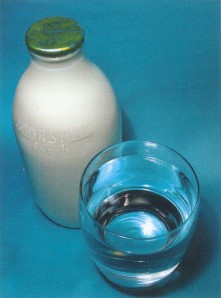
Between meals you should only have 'safe' drinks, which are not
sugary or acidic. Milk and water are 'safe' drinks. So are tea and
coffee if you do not add sugar to them (you can use non-sugar
sweeteners).
You should try and avoid snacking between meals. If you do snack, only
have 'safe' snacks, which are not sugary or acidic. Fruits, vegetables,
sandwiches, toast, crumpets and pitta bread are all 'safe' snacks. You
should try and avoid snacking between meals. Some fruits, especially
citrus fruits, are acidic and are known to cause erosion if they are
consumed in large quantities. This is not normally a problem for most
people; however; you could discuss with your dentist or hygienist the
safest way of enjoying these fruits.
Because acids temporarily soften the tooth surface, don't brush your
teeth immediately after eating or drinking something acidic.
You should brush your teeth twice a day, and always use a fluoride
toothpaste.
Your dentist can identify erosion, pinpoint the causes and advise you how to prevent further damage.
© Stalybridge Dental Care 2009 - 2026
Last updated: 3 December 2025